23:21 Pay attention to him, and listen to his voice. Don’t provoke him, for he will not pardon your disobedience, for my name is in him.
23:22 But if you indeed listen to his voice, and do all that I speak, then I will be an enemy to your enemies, and an adversary to your adversaries.
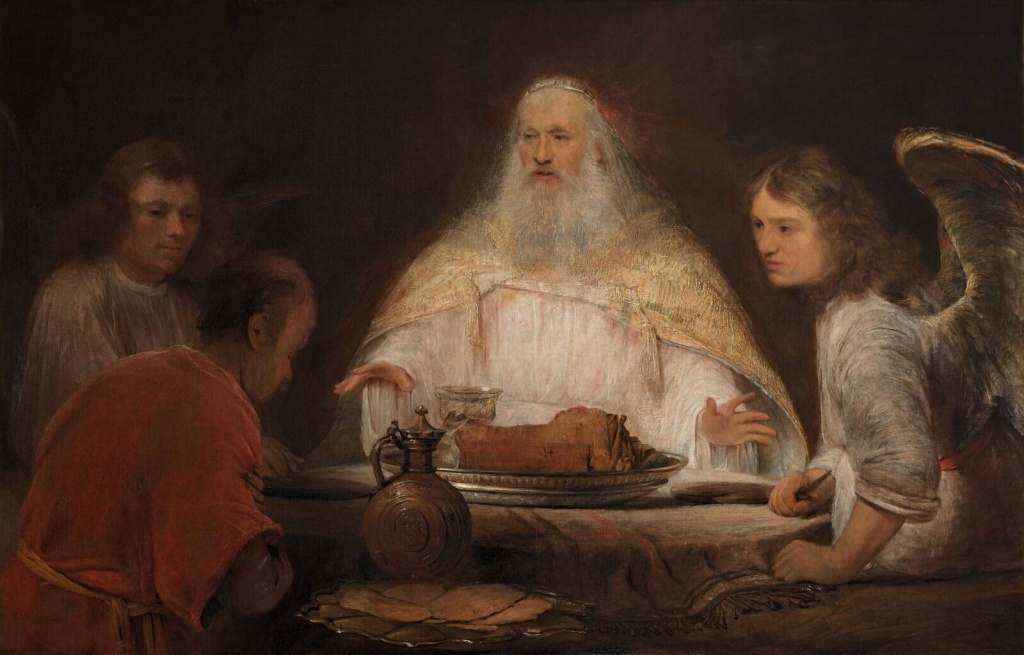
Jesus Christ is believed to have appeared in the Old Testament. Key examples include Jesus appearing as the divine Angel of the Lord to figures like Hagar, Moses, and Gideon. Understanding these appearances supports the view that Jesus' divinity and presence are consistent throughout both the Old and New Testaments.
Read more
The Trinity is not a late invention but the most ancient reality of all, present on the Bible's first page. From Genesis onwards, Scripture speaks of the Most High, His Word who comes down and is seen, and His Spirit who hovers and fills. When it finally declares "the LORD is one," it uses a word for unity, not solitude. Even the Tabernacle's golden furniture pictured Father, Son and Spirit.
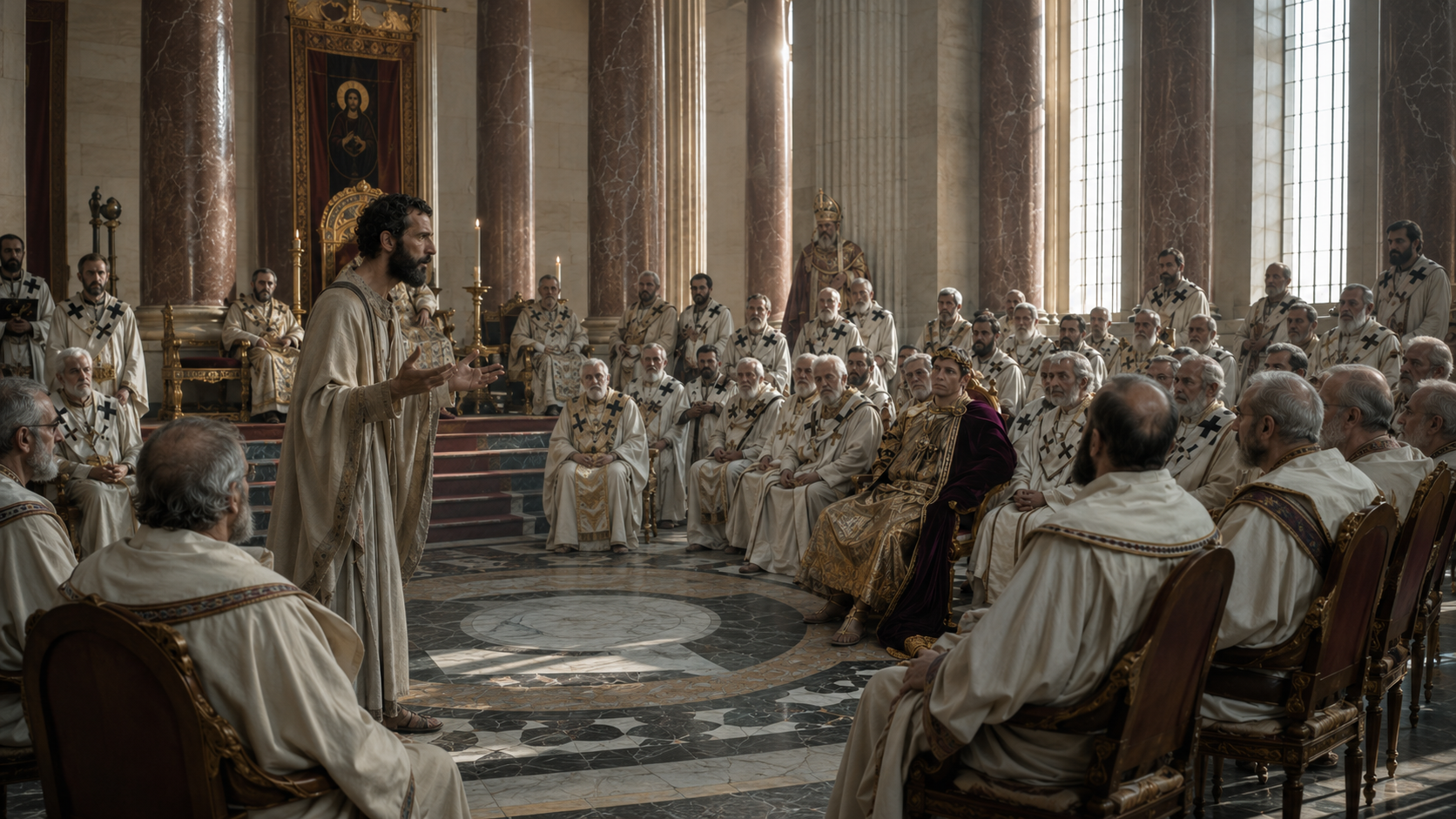
The story that Nicaea invented the Trinity under Greek influence is the reverse of the truth: Arius's denial came from Greek philosophy, and Nicaea rescued the ancient biblical faith. In the Gospels the highest claims stand at the beginning, on the lips of Jesus Himself — and His hearers understood exactly what He meant. Jesus never said the bare sentence “I am God,” and there is a profound biblical reason why.
Christian and Tariq chat over tea after dinner at Tariq’s home, the conversation turns to faith. Tariq raises the topic of the Trinity.
Read dialogue
The key question is not only "Is God one?" but “What is the nature of that oneness?” - and stories answer it. The Qur'an retells the Bible's own narratives with the crucial details reshaped or removed, and as the stories change, the portrait of God changes with them. Tawhid itself carries unresolved tensions: a God utterly unlike creation yet described in human terms, and alone eternal yet with eternal speech.