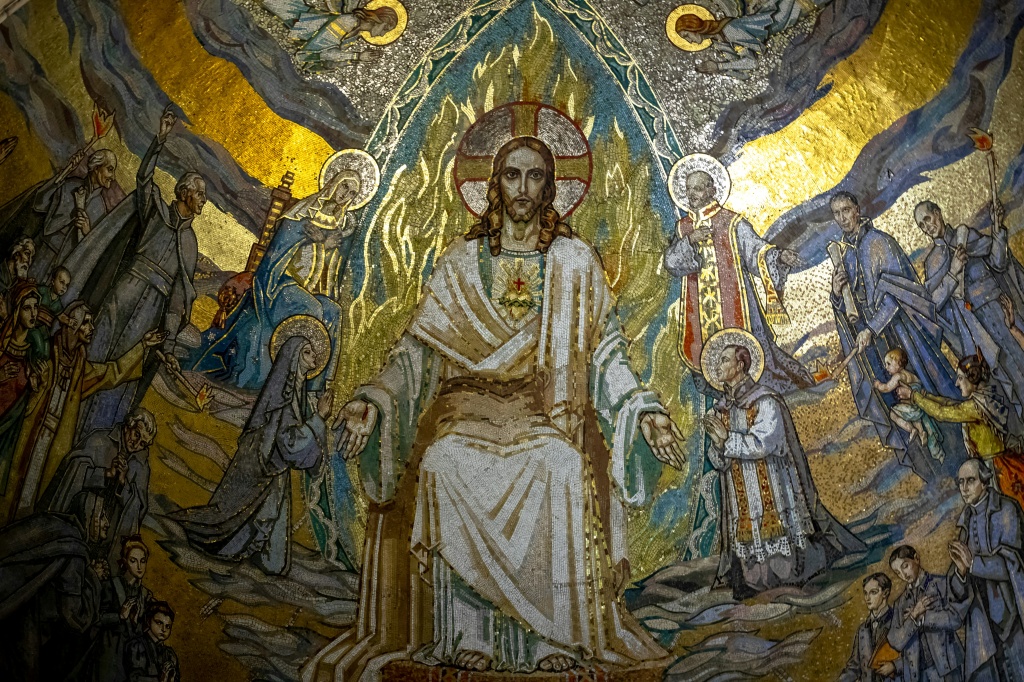
45:6 Your throne, God, is forever and ever. A sceptre of equity is the sceptre of your kingdom.
45:7 You have loved righteousness, and hated wickedness. Therefore God, your God, has anointed you with the oil of gladness above your fellows.
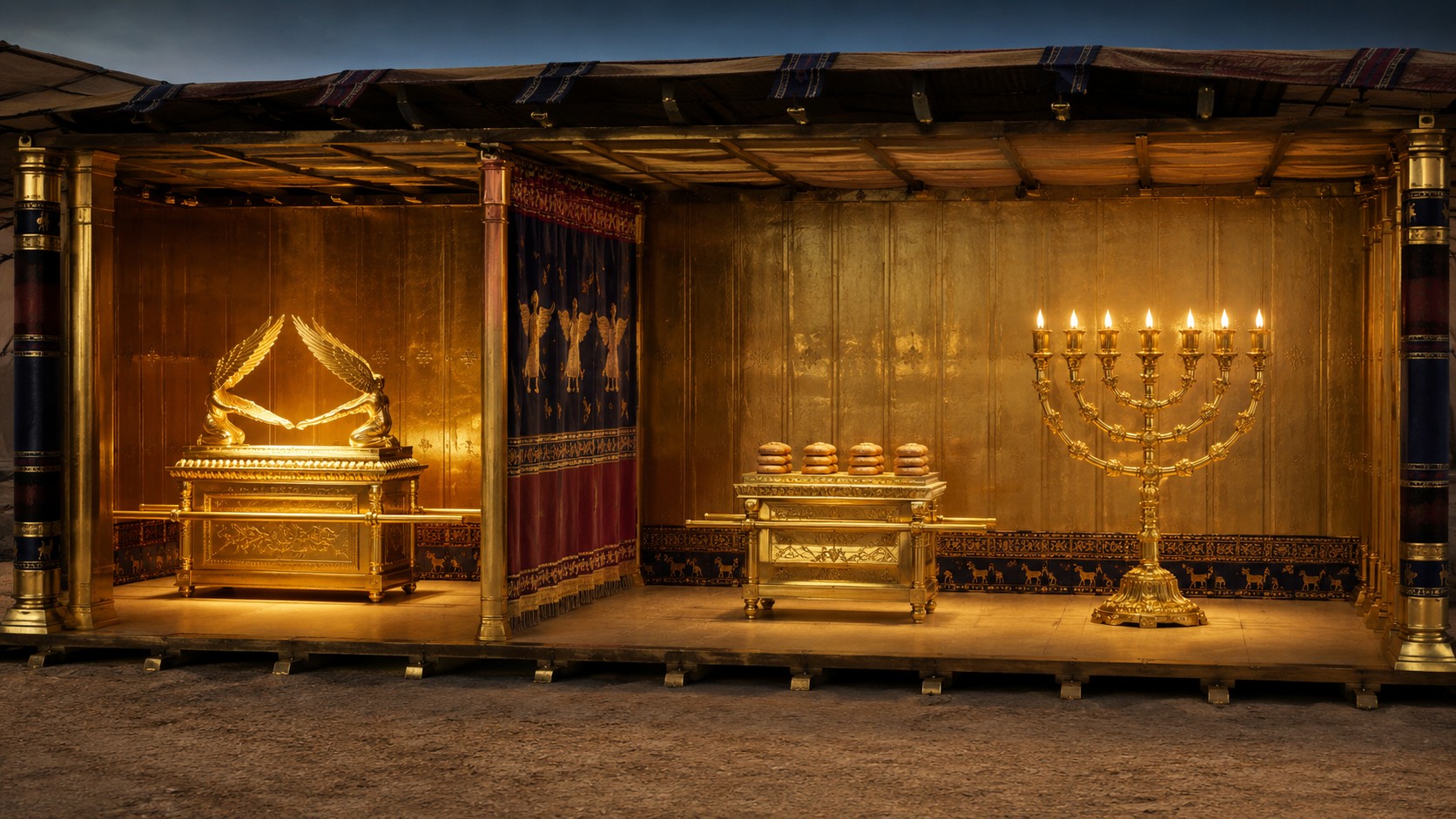
The Trinity is not a late invention but the most ancient reality of all, present on the Bible's first page. From Genesis onwards, Scripture speaks of the Most High, His Word who comes down and is seen, and His Spirit who hovers and fills. When it finally declares "the LORD is one," it uses a word for unity, not solitude. Even the Tabernacle's golden furniture pictured Father, Son and Spirit.
Read more
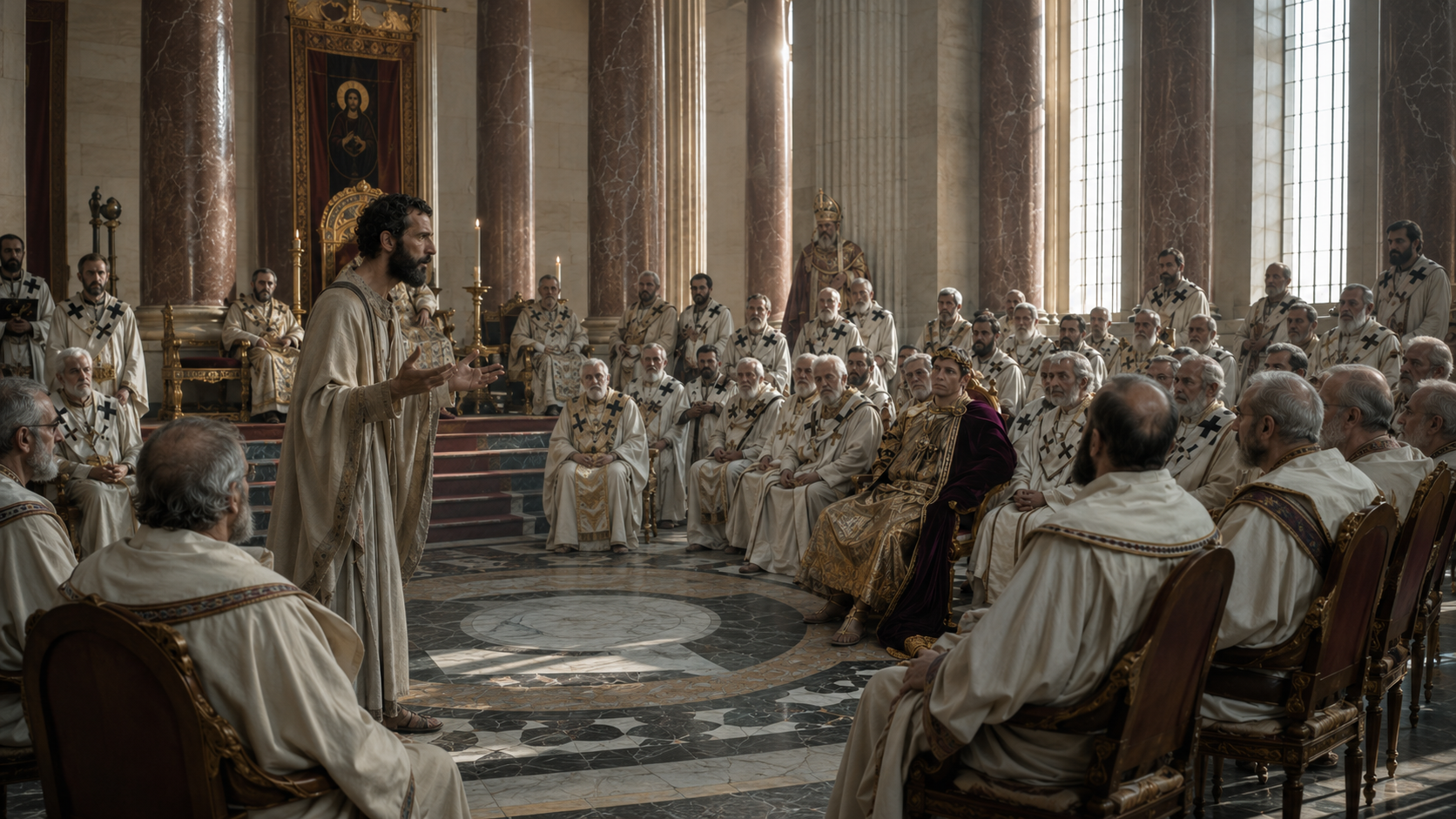
The story that Nicaea invented the Trinity under Greek influence is the reverse of the truth: Arius's denial came from Greek philosophy, and Nicaea rescued the ancient biblical faith. In the Gospels the highest claims stand at the beginning, on the lips of Jesus Himself — and His hearers understood exactly what He meant. Jesus never said the bare sentence “I am God,” and there is a profound biblical reason why.
Christians and Muslims both claim to love Jesus, but the Jesus of the Bible and the Jesus of the Qur’an are very different. Who is the Jesus of the Qur’an and how is he different from the Jesus of Scripture?
Although being one of the earliest parts of the New Testament to be written, Mark’s Gospel shows us clearly that Jesus is God. This counters the claim that John’s Gospel’s view of Jesus was a later development by Christians. According to Mark, Jesus is none other than the LORD himself.